Fuel injector technology research from DARPA and NASA points to better atomization and lower modeled NOx, with clear limits before flight use.
Hands-On Science for Curious Minds

Fuel injector technology research from DARPA and NASA points to better atomization and lower modeled NOx, with clear limits before flight use.
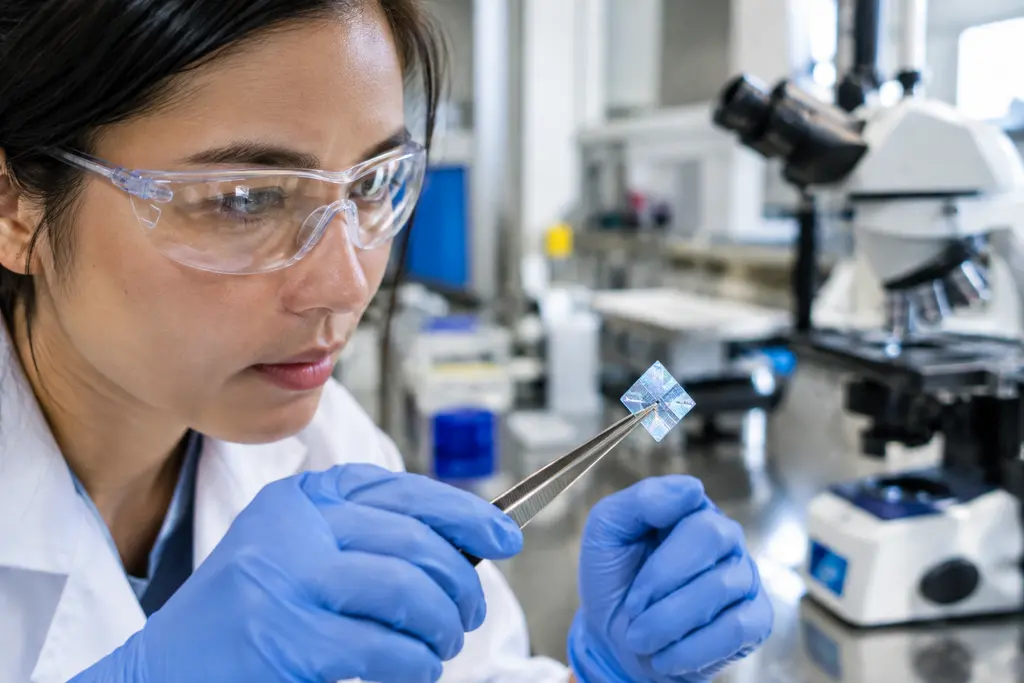
Single-Crystal Nanomembranes are improving photonic chips, but 2026 results are still lab-stage evidence, not a ready product.

Brain injury recovery research links sex and gender with cognitive, social, and mental health outcomes, but device design evidence remains limited.
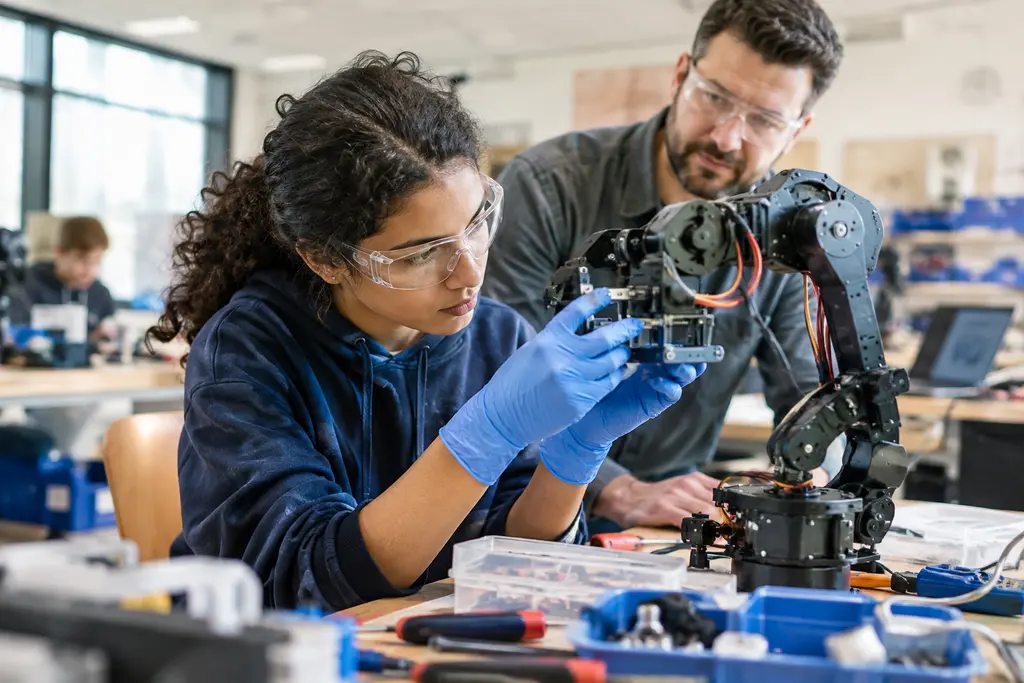
Engineering Credit Pathways gained NSF-backed structure in 2026; this analysis weighs course alignment, limits, and field-based learning.

Tulane engineering programs are being restored, with mechanical and electrical engineering majors planned for fall 2027 after formal approval.
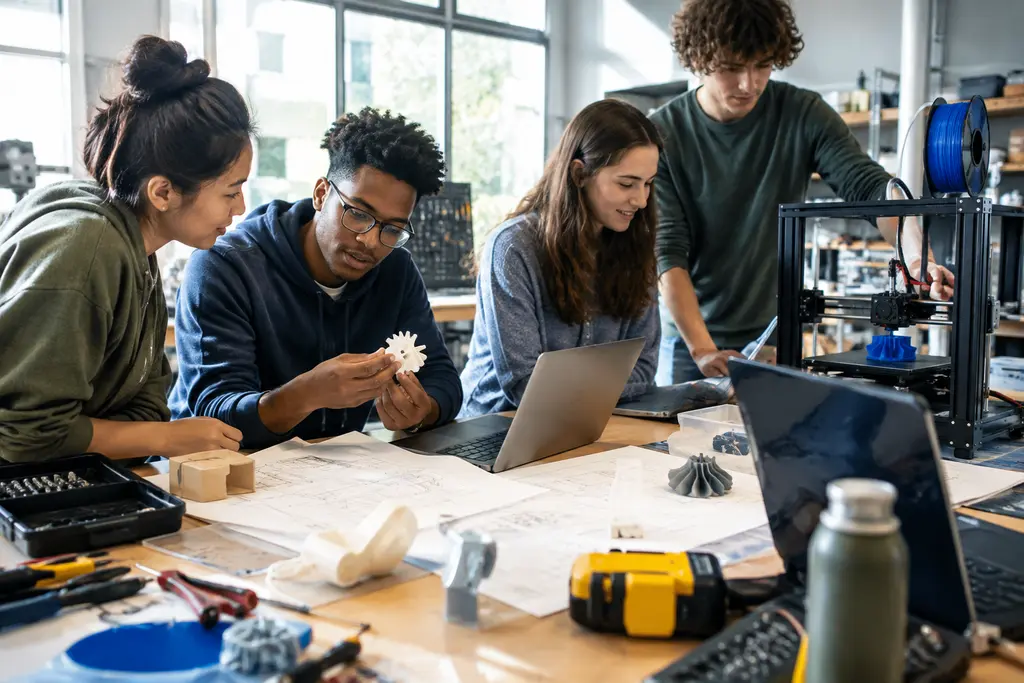
Genesis Mission Fellowship signals DOE support for PhD training that pairs advanced computation with scientific disciplines, with limits.
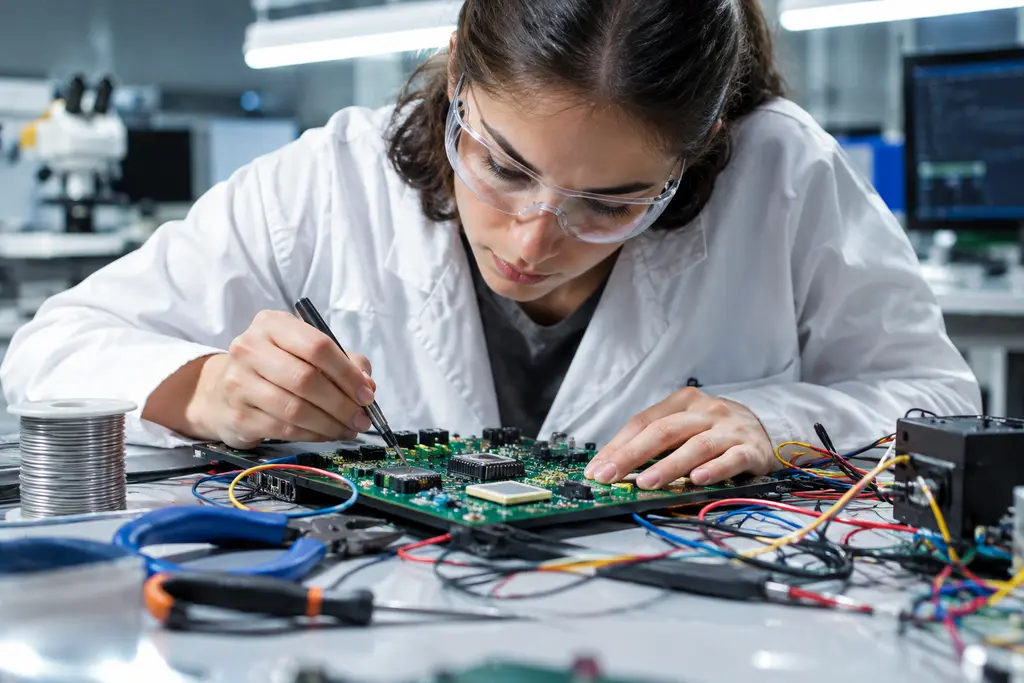
The M³BOLT Device is an early-stage magnetic-acoustic logic effort aimed at lower-energy computing, with key scaling questions.

AI Crop Monitoring links drones, farm data, and engineering careers, but field evidence shows adoption and profit signals remain uneven.

Deeper-rooted soybeans entered 2026 field trials to test drought response, carbon storage, and yield trade-offs under real soils.
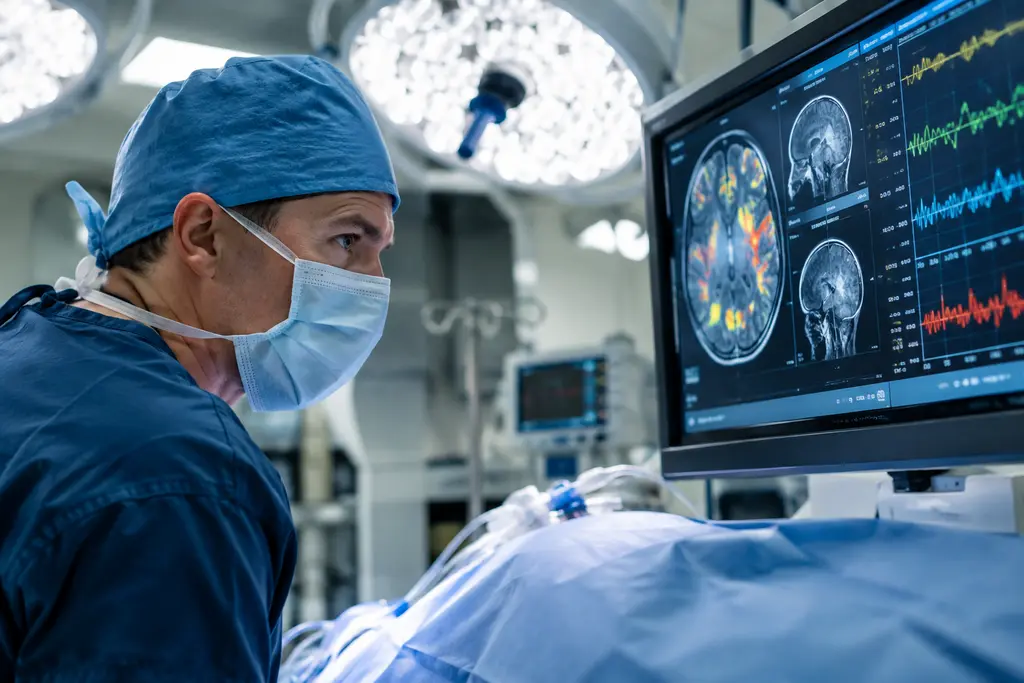
Hydrogel Neural Interfaces may aid neural recording and surgical monitoring, but current evidence remains early and mostly preclinical.