Light-gated gas sensors use doping and visible light to detect gases at room temperature; evidence shows promise, limits, and lab barriers.

Hands-On Science for Curious Minds

Light-gated gas sensors use doping and visible light to detect gases at room temperature; evidence shows promise, limits, and lab barriers.
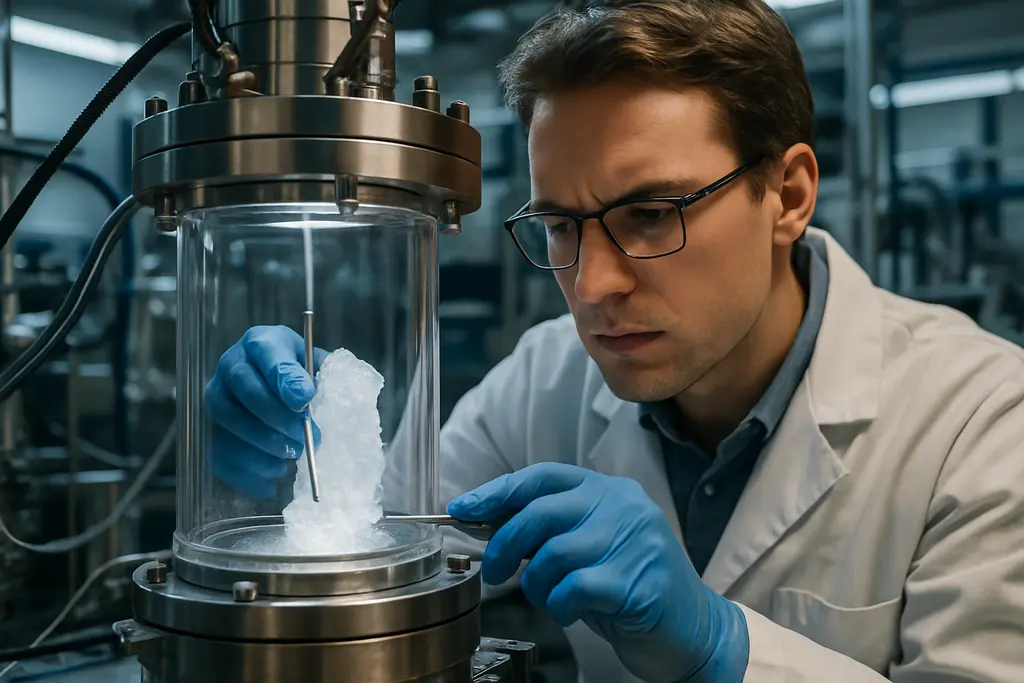
High-pressure ice research is reshaping planetary models, from dense ice phases to icy moon shells, with evidence and limits.

Ultraminiature robots show lab-tested control of microflows and local heat, but power, scale, safety, and manufacturing remain open.

How memory gatekeepers can reduce AI context load and shape engineering careers, with limits from arXiv and DeepMind evidence.

Airborne Robotics Cup recap for K-12 educators: what ARC 2026 showed about blimp robotics, costs, access, and workshop design.

Plan a microscopic robots STEAM workshop with evidence from nature-inspired cilia systems, programmable microrobots, and clear limits.

Phonon quantum jumps were observed in real time in a Stanford lab study, revealing how one sound quantum vanished from a resonator.

MIMONet Virtual Sensing reconstructs inaccessible physical fields from sparse sensors; evidence is promising but remains research-stage.

HardFlow robotics offers a cautious case study in AI safety, hard constraints, and math-rich classroom links for robotics learning.

Recent research shows Carbon Capture Barriers are tied to energy use, policy risk, infrastructure, and uncertain public costs.