Lilypad Paint offers a case study in humidity-aware building design, with STEAM tests that separate evidence from marketing claims.

Hands-On Science for Curious Minds

Lilypad Paint offers a case study in humidity-aware building design, with STEAM tests that separate evidence from marketing claims.

Brain injury recovery research links sex and gender with cognitive, social, and mental health outcomes, but device design evidence remains limited.
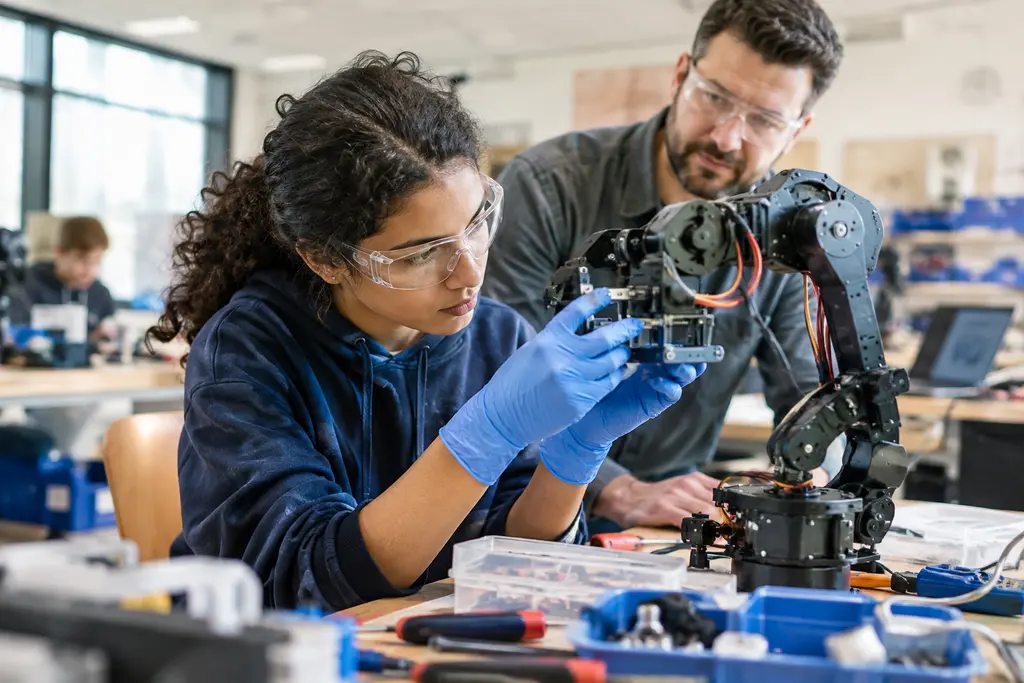
Engineering Credit Pathways gained NSF-backed structure in 2026; this analysis weighs course alignment, limits, and field-based learning.

Hydrogel Neural Interfaces may aid neural recording and surgical monitoring, but current evidence remains early and mostly preclinical.
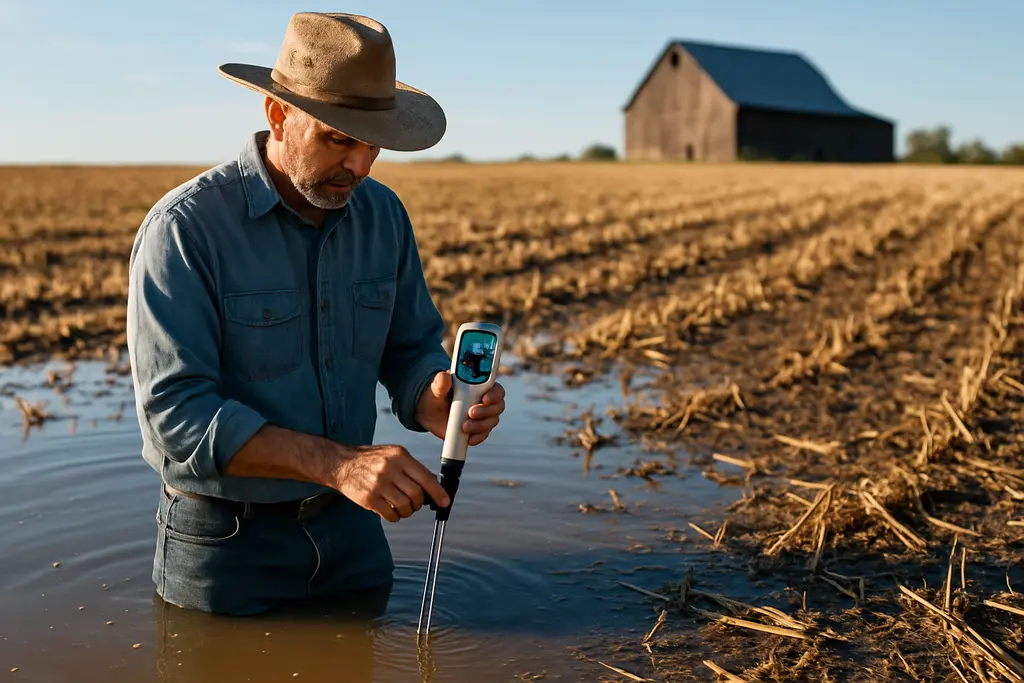
Water management testing at K-State shows how pivot speed, field plots, and farmer decisions shape irrigation evidence in Kansas.

AI BioDesign careers in Seattle call for AI, biology, and software skills, but the evidence points to early-stage research roles.

Long-Duration Storage moved from pilot talk to cost, safety, and deployment evidence in Sandia’s 2026 work on multi-hour grid systems.

OAI STEM Outreach expanded at UC Irvine in summer 2026; here is what the evidence says about access, diversity, and limits.

A cautious review of human embryo editing after June 2026 base-editing studies, covering evidence, limits, ethics, and policy.
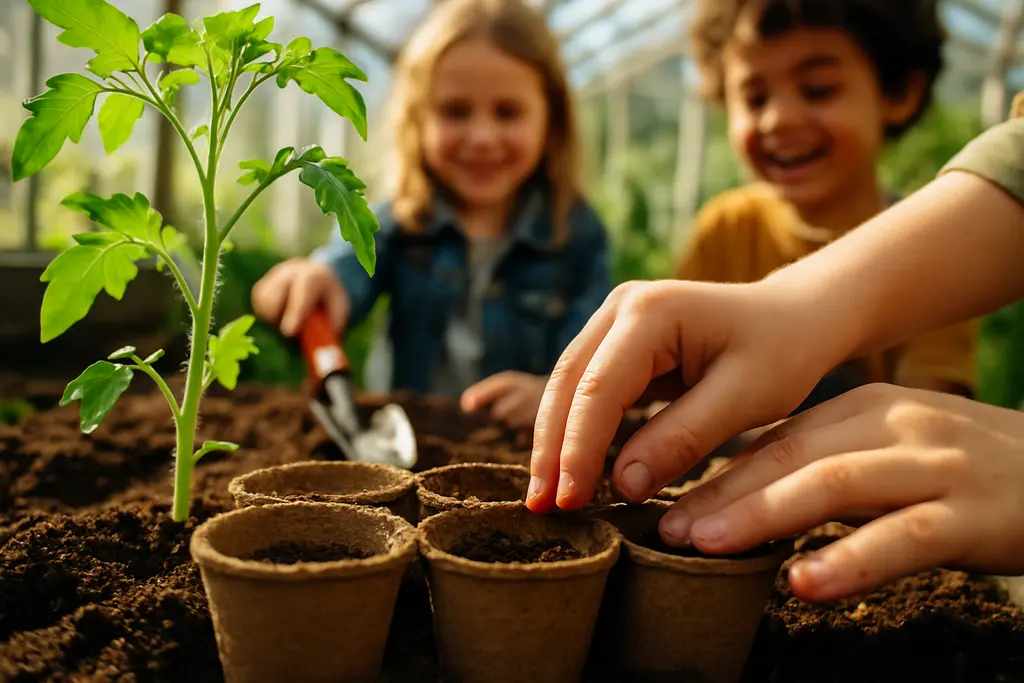
Red Alert tomatoes show nitrogen stress through pigment changes; here is a cautious STEAM plan for measurement, data, and limits.