Flexible Bi₂Te₃ TEGs could help wearables use body heat, but 2026 evidence shows gains depend on heat gaps, bending life, and scale.
Hands-On Science for Curious Minds

Flexible Bi₂Te₃ TEGs could help wearables use body heat, but 2026 evidence shows gains depend on heat gaps, bending life, and scale.

Altermagnet FeS Strain connects room-temperature magnetism, Hall signals, and cautious classroom modeling for future spintronics.

Let’s be honest—most people hear “educational math project” and immediately search for the nearest exit. But what if I told you we’re measuring how fast…
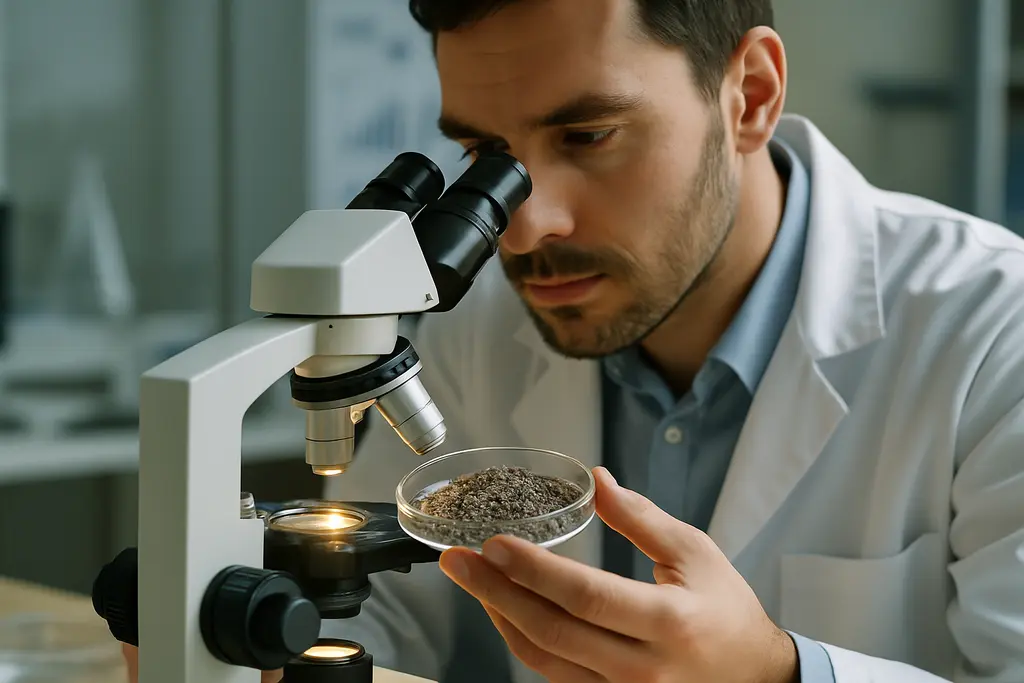
Cermet technology earned a 2026 R&D 100 Award; here is what the evidence says about waste forms, limits, and readiness.
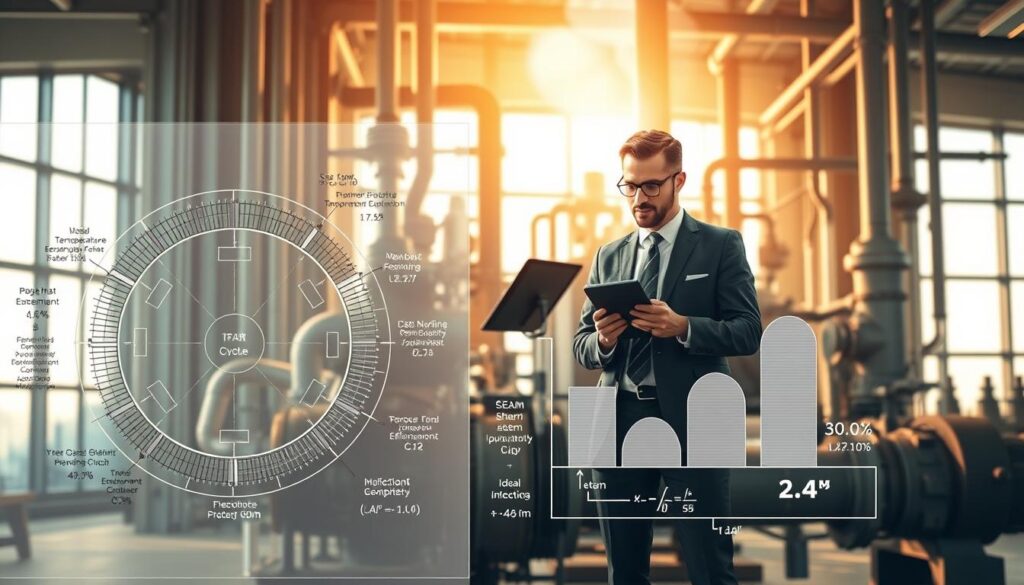
Is your steam system burning money faster than a coal-fired locomotive? You’re about to find out. The gap between theoretical perfection and actual performance is…

X-59 Aircraft test data may shape future supersonic noise rules, but evidence so far comes from flight tests, models, and public response.
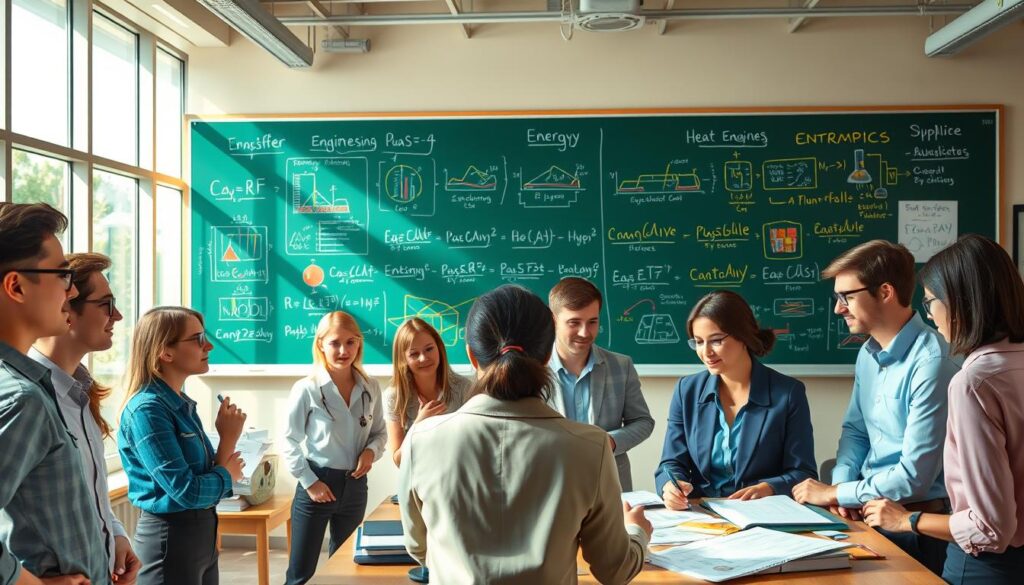
Opening your textbook and feeling dread is normal. Thermodynamics doesn’t have to be as hard as building IKEA furniture in the dark. This guide makes…

Isotope Supply Chains affect quantum materials by reducing isotope noise, but DOE reports show scale, cost, and device gains still need care.

So you want to let students play with measurement tools? Brave soul. We’re not talking about old oscilloscopes anymore. We’re empowering the next generation to…

AI superconductors activities help students model how machine learning aids materials research, with clear limits and safe classroom tasks.